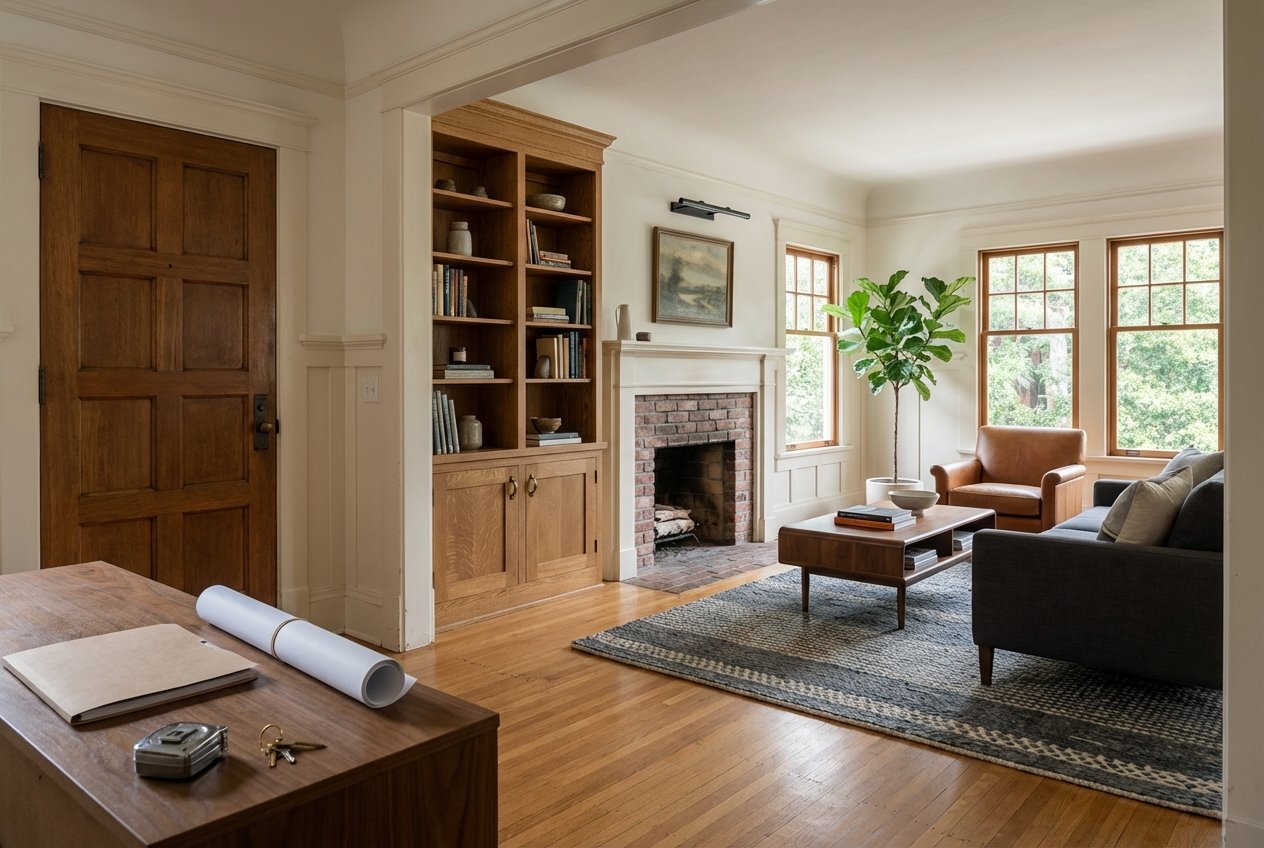
Thinking about listing your classic Willow Glen South home and not sure where to set the price? You’re not alone. Historic character is a strength, but details like condition, permits and seismic readiness can swing value fast. In this guide, you’ll learn how buyers and appraisers look at Lincoln Glen homes, what to prep before you list, and how to set a confident price that draws strong offers and clears appraisal. Let’s dive in.
Why pricing in Lincoln Glen is different
Willow Glen South — Lincoln Glen is a low-supply, high-demand pocket with quick market times and a median price in the low $2M range. Many homes sell at or above list when priced right, so your launch price matters. Start with the micro-market, not the metro headlines.
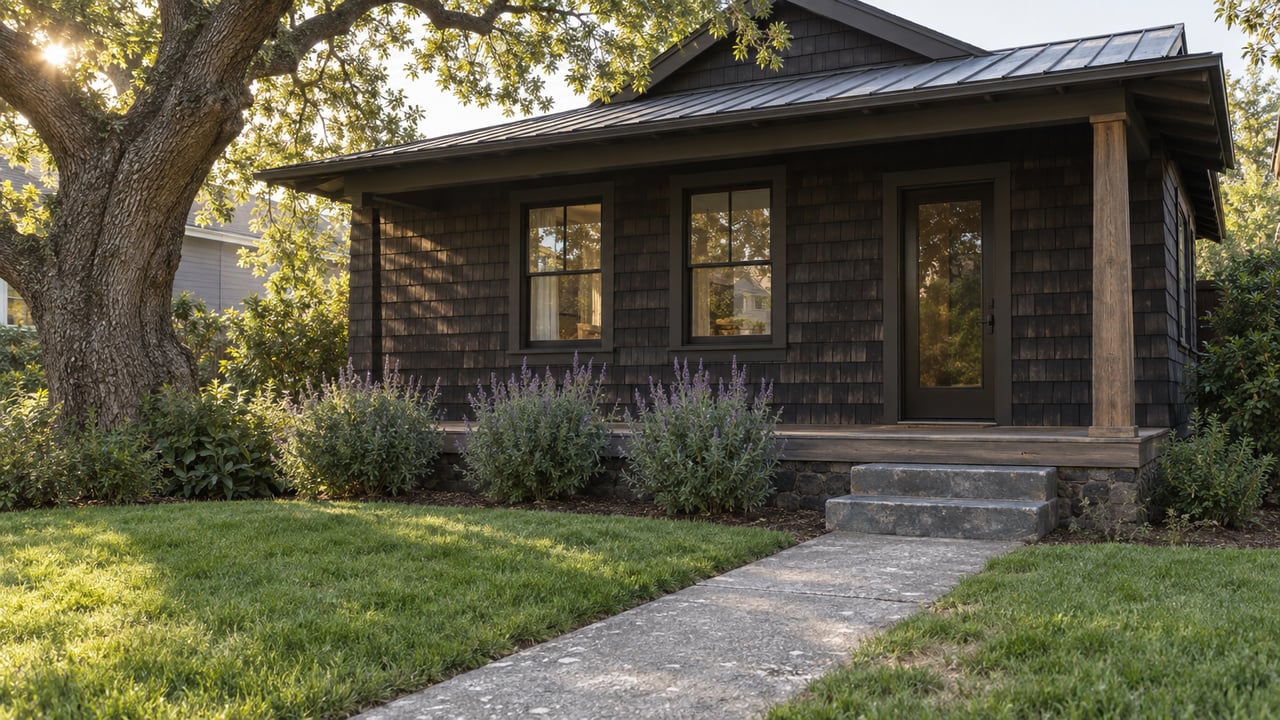
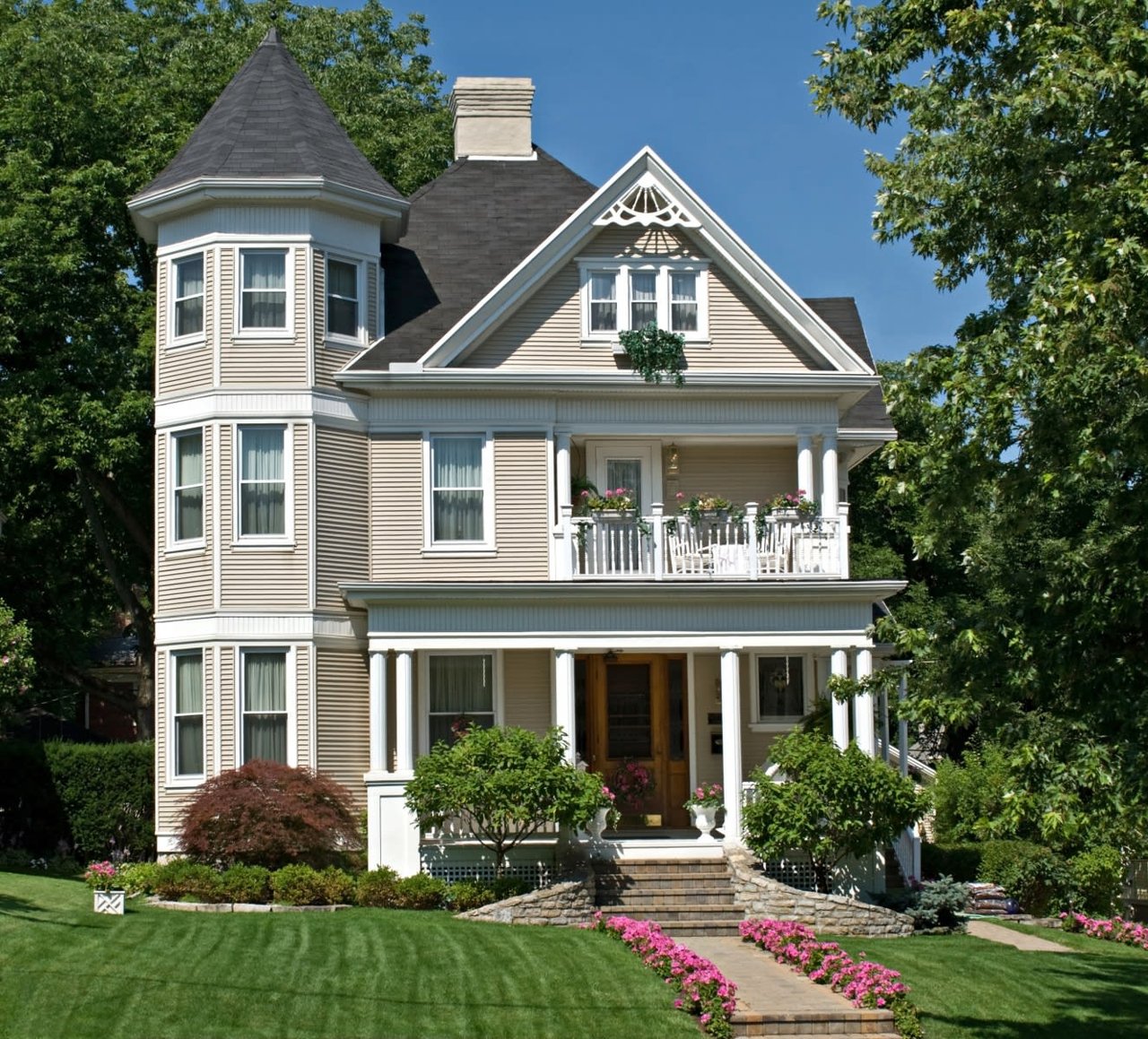
The neighborhood’s charm drives demand. Early to mid‑20th‑century bungalows and period styles, plus the small‑scale retail on Lincoln Avenue, give Willow Glen a distinct identity. That historic character can support a premium when paired with solid condition and smart presentation. For a concise overview of the area’s architectural mix, review the Willow Glen neighborhood context.
Build your price like an appraiser
Appraisers rely most on the sales‑comparison approach. They look for recent, nearby, and physically similar sales, then make adjustments for differences. When perfect comps are scarce, they may expand the search in time or distance, but they must explain adjustments and apply market‑based time changes when indicated. See how this works in practice in Fannie Mae’s Appraiser Update.
To mirror that process:
- Identify the three to five best closed comps from the past 12 months. If comps are limited, document why you used older or slightly different sales and support any time adjustments with market indicators. Practical tips for thin-comp markets are outlined in this McKissock guidance.
- Gather your paper trail. Pull the City of San José permit history, past plans and any restoration records. Having a clean, well‑organized file helps your agent and the eventual appraiser. Start with the City’s planning and permit applications portal.
- Order a pre‑listing inspection or a concise condition summary from a licensed contractor. This reduces surprises that can derail appraisals and negotiations.
Weigh charm against condition
Original features can increase value when they are in good condition and aligned with buyer expectations. Think intact hardwoods, millwork, built‑ins, high ceilings and period windows. On the flip side, deferred maintenance or functionally obsolete layouts can hold down price. Appraisers are trained to recognize the difference and make supported adjustments when the market shows demand for character. You can read more about condition and quality analysis in Fannie Mae’s update for appraisers.
Common older‑home items that affect value and financing:
- Electrical: knob‑and‑tube, ungrounded systems.
- Plumbing and mechanicals: galvanized piping, dated water and heating systems.
- Windows and envelope: single‑pane windows, moisture intrusion or wood rot.
- Structure: lack of foundation bolting or soft‑story conditions over a garage.
If you will not address an item before listing, disclose it and be ready with bids or credible cost ranges. Buyers and appraisers respond well to clarity.
Permits and disclosures that shape price
California sellers must disclose known material facts. If there are unpermitted additions or permits that were never finalized, state law requires disclosure, and lenders or appraisers may exclude the value of unpermitted square footage. Read the statutory summary in California Civil Code section 1102.1.
For homes built before 1978, federal rules require a lead‑based paint disclosure and an opportunity for the buyer to inspect unless waived in writing. Keep any testing records and share the EPA pamphlet that explains risks and rights. The EPA outlines the basics here: lead paint information for buyers and renters.
Action steps:
- Pull the City of San José permit history and gather finals for completed work using the planning and permit portal.
- Prepare a one‑page summary of permits and known unpermitted items to include in your disclosures and in a packet for the appraiser.
Seismic readiness and buyer confidence
Older raised‑foundation homes often benefit from brace‑and‑bolt retrofits. State programs such as Earthquake Brace + Bolt, administered by CRMP, provide grants and guidance. A basic brace‑and‑bolt retrofit often falls in the low thousands, and documented retrofits can widen your buyer pool and reduce perceived risk. Learn more in CRMP’s Earthquake retrofit FAQs.
If your home lacks bolting or has a soft‑story condition, include either evidence of completed work or reputable bids. That context can prevent underwriters from questioning safety and can support your price.
Mills Act: tax savings and obligations
Some historic properties qualify for Mills Act contracts, which can significantly reduce property taxes in exchange for ongoing preservation responsibilities. In Santa Clara County, the Mills Act often lowers taxes materially, depending on the property and assessment. The City of San José provides an overview of historic resource incentives and the Mills Act, and the County Assessor explains how Mills Act assessments work.
If your property is already under a Mills Act contract, disclose it early and highlight the potential tax benefit for preservation‑minded buyers. If you are considering entering a contract before selling, weigh the timelines and obligations carefully, since it can shape the buyer pool and future renovation flexibility.
Decide your list strategy
Your goal is to maximize net proceeds, not just set a high sticker. In Lincoln Glen, the first two weeks on market are critical. Choose a strategy that fits your home’s condition and target buyer:
- Market‑maker pricing: List slightly below the most relevant comp to attract broad attention and encourage multiple offers. Works well when condition is strong and the home shows well.
- Value‑justified pricing: List at the center of the comp band with detailed documentation of original features, permits and recent upgrades. This can draw serious buyers and supports appraisal.
- Renovation‑credit pricing: If large updates are needed, price to reflect the scope and include bids. This expands the buyer pool for homes that need work without dragging through retries.
Anchor your choice with current micro‑market signals: recent closed sales, active supply, pending activity and days on market. Appraisers must apply time adjustments when the market is moving, so a comp from last spring may not equal today’s value without support. See time‑adjustment guidance in Fannie Mae’s update.
Presentation that supports price and appraisal
A strong narrative makes historic character a feature, not a risk. Create a tight package for buyers and appraisers:
- Seller/appraiser packet: permit history, pre‑listing inspection, itemized list of restored or preserved features with photos and receipts, and a short comp narrative. This helps the appraiser understand why your home may merit a premium for character. For what appraisers expect, see Fannie Mae’s guidance.
- Visuals and copy: professional photos that highlight millwork, fireplaces, built‑ins and the balance of old and new. Pair that with clear descriptions of system updates or seismic work.
- Targeted marketing: speak to preservation‑minded buyers while still addressing those who want move‑in convenience. The right words and images can broaden demand.
A simple pricing checklist for Lincoln Glen sellers
- Pull 3–5 best comps and note adjustments you would make for time, size, lot and condition.
- Order a pre‑listing inspection or contractor summary and address any major safety items.
- Retrieve the full permit history and organize finals, plans and receipts.
- Prepare lead‑based paint disclosures if your home predates 1978 and gather any past test results.
- Get bids for seismic bolting, soft‑story reinforcement or key system updates, if needed.
- Prioritize modest, high‑impact refreshes: paint, floors, lighting and entry landscaping.
- Decide your pricing lane: market‑maker, value‑justified, or renovation‑credit.
- Build a concise seller/appraiser packet to support value.
- Launch with best‑in‑class visuals and clear copy that honors the home’s era.
- Reassess after the first week based on showings and feedback, then adjust tactics if needed.
Work with a team that knows historic Willow Glen
You deserve a pricing plan that respects your home’s story and delivers a smooth closing. If you want an expert read on comps, a tight permit and disclosure strategy, and marketing that does your home justice, let’s talk. Let’s tell your home’s story — schedule a private consultation with EJ Pulpan.
FAQs
Do original features raise price in Willow Glen?
- Yes, when in good condition and supported by comps, period details can earn premiums, but buyers still weigh system updates and functional layouts alongside charm.
Should you fully remodel the kitchen before listing a historic home?
- Not always, since targeted refreshes often offer better near‑term ROI than full luxury rebuilds, so use your local comp set and buyer profile to decide where to invest.
How do unpermitted additions affect price and financing?
- They must be disclosed under California law and may be excluded by lenders or appraisers, which can narrow the buyer pool and lower value unless remedied or priced in.
What is the Mills Act and how can it impact your sale?
- It can significantly reduce property taxes for qualifying historic homes while adding preservation obligations, which may attract preservation buyers but limit some alterations.
How can you reduce appraisal risk on a historic Willow Glen home?
- Provide strong comps, a clean permit history, clear documentation of updates and preserved features, and address safety items to help the appraiser and underwriter.
Do you need a seismic retrofit to sell in Willow Glen?
- Not always required, but documented brace‑and‑bolt or soft‑story work can increase buyer confidence, ease lending concerns and support stronger pricing.