
Nov 19, 2026 by Ej Pulpan with Pulpan Brothers at Christie’s International Real Estate Sereno
On January 1, 2027, a brand-new map of federal Opportunity Zones takes effect. This is a national program, the new map identifies 19 census tracts in Santa Clara County and 3 in Santa Cruz County under the new rules. The program, now called "Opportunity Zones 2.0," was made permanent by the One Big Beautiful Bill Act signed in July 2025.
If you have a large capital gain coming, whether from selling a rental, a business or a stock position, this is worth understanding. Below we explain how it works, how it compares with a 1031 exchange, what the local map looks like and what the tax savings can look like in real numbers.
How Opportunity Zones work
An Opportunity Zone is a census tract the federal government has designated for investment incentives. You don't buy into a zone directly. Instead, you invest a capital gain into a Qualified Opportunity Fund (QOF), which is a partnership or corporation that puts at least 90% of its assets into businesses or property inside designated zones.
Under OZ 2.0, investing after December 31, 2026 gives you three benefits:
Deferral. You have 180 days from the sale to reinvest the gain in a QOF. You owe nothing on that gain until you sell the fund interest or until 5 years pass, whichever comes first.
A 10% reduction. If you hold for 5 years, 10% of the deferred gain is permanently forgiven. In a fund that invests in designated rural zones, the reduction is 30%.
Tax-free growth. If you hold for at least 10 years, any appreciation on the QOF investment itself is federally tax-free when you sell. This benefit is available for holds of up to 30 years.
Note what you have to reinvest: only the gain, not the full sale proceeds. Your original cost basis is yours to keep, spend or invest elsewhere. This is different from a 1031 exchange.
The local map: Santa Clara and Santa Cruz counties
Treasury certified California's 620 new zones on November 5th, 2026, and they take effect January 1, 2027 for 10 years.
Santa Clara County. All 19 tracts are classified as non-rural. Five of the original 2018 tract numbers carried over into the new map, and 14 are new. Median family incomes in these tracts range from about $51,000 to $128,000. That is still well below the area median in one of the highest-income metros in the country.
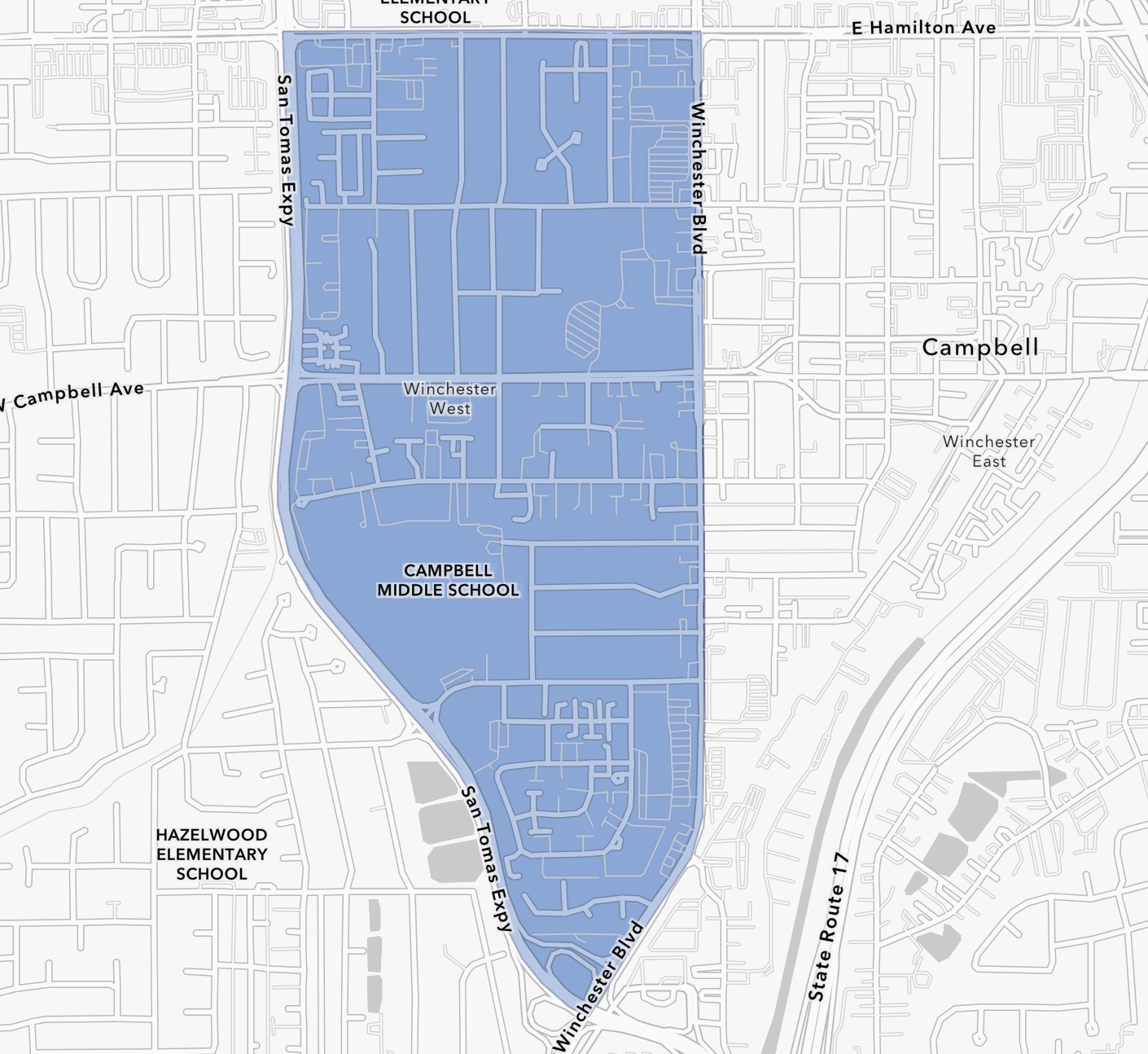
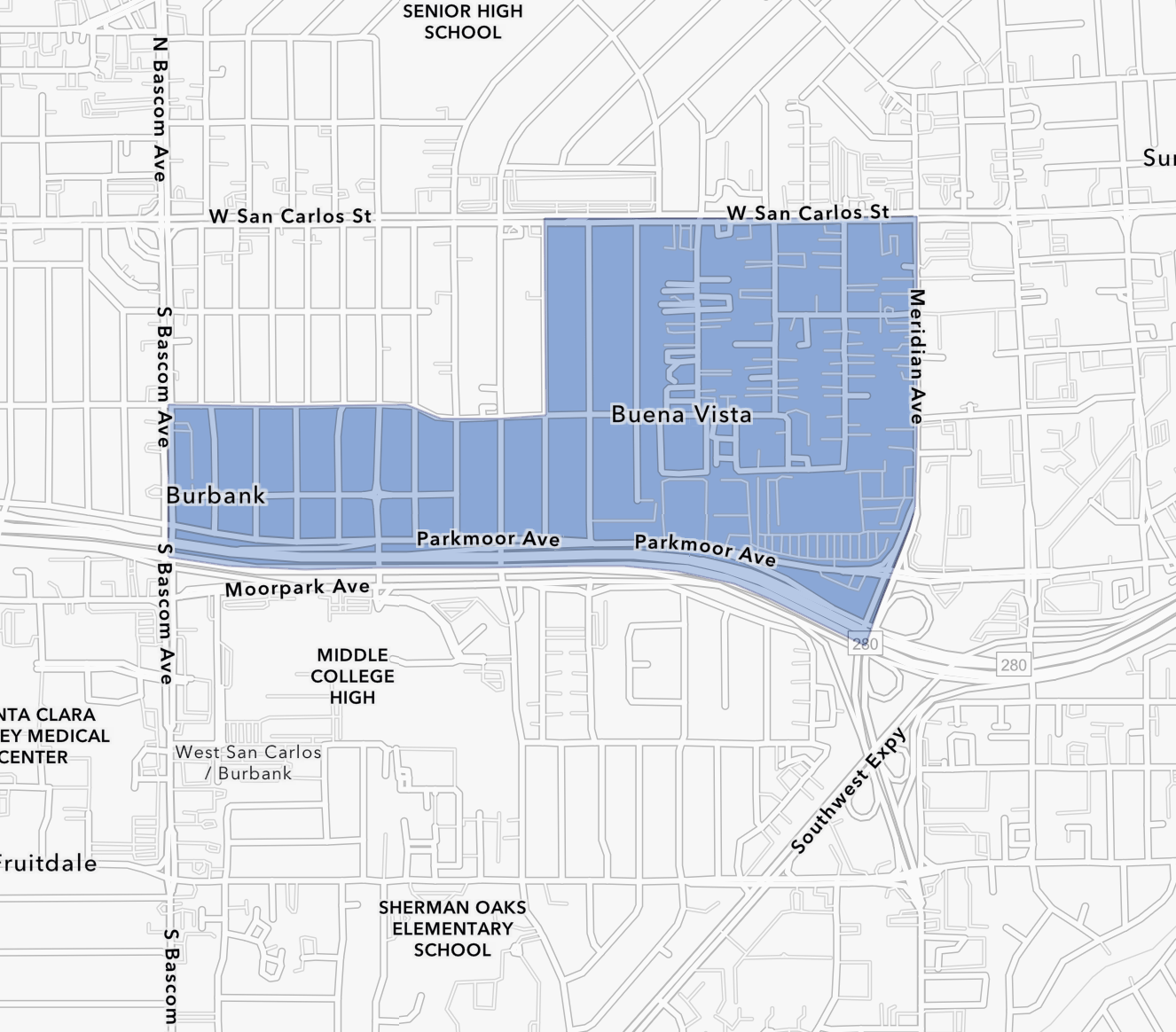
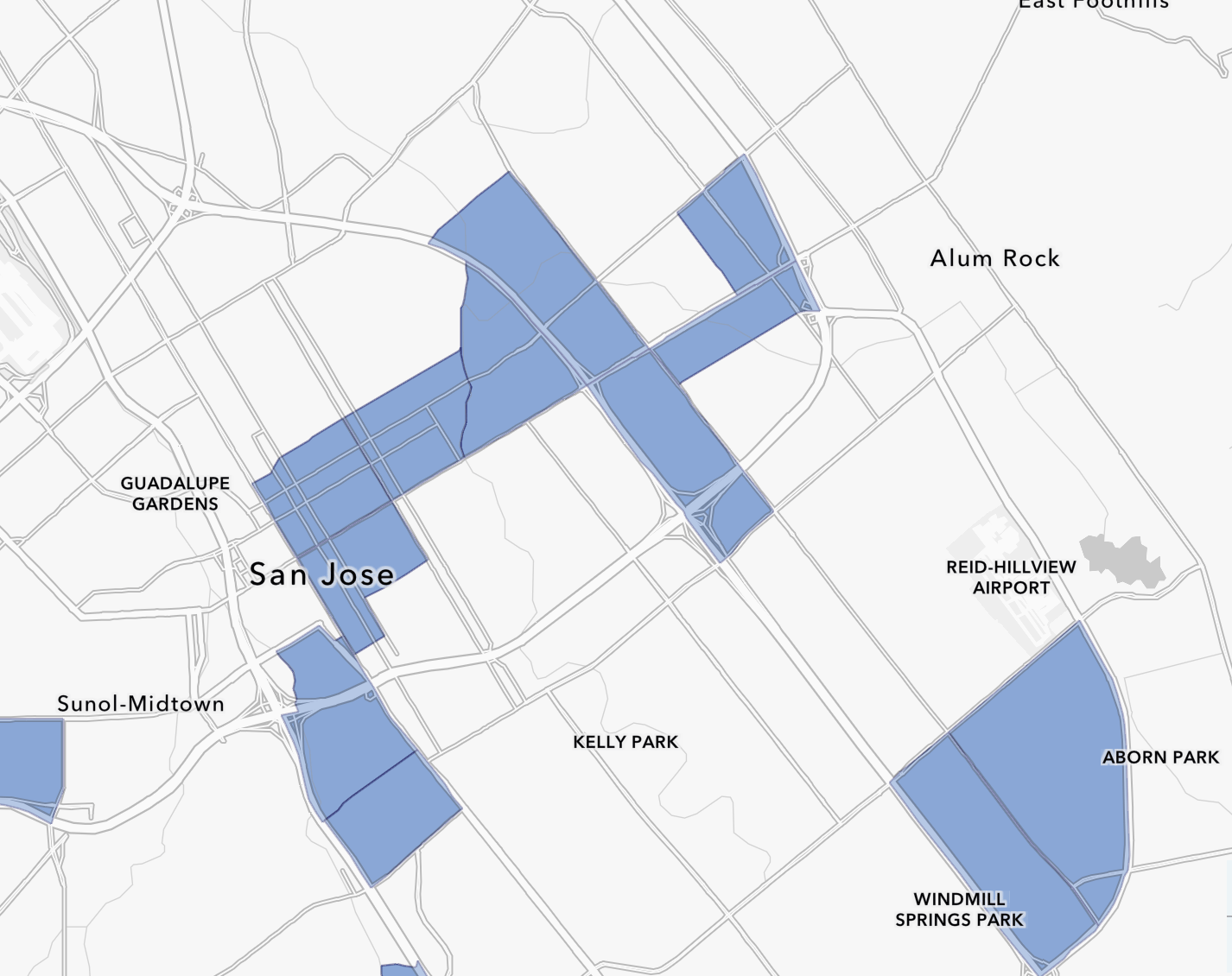
Santa Cruz County. According to county officials, the new zones cover downtown Boulder Creek and parts of downtown Watsonville and the City of Santa Cruz. All three tracts are classified as non-rural, so the 30% rural reduction does not apply here.
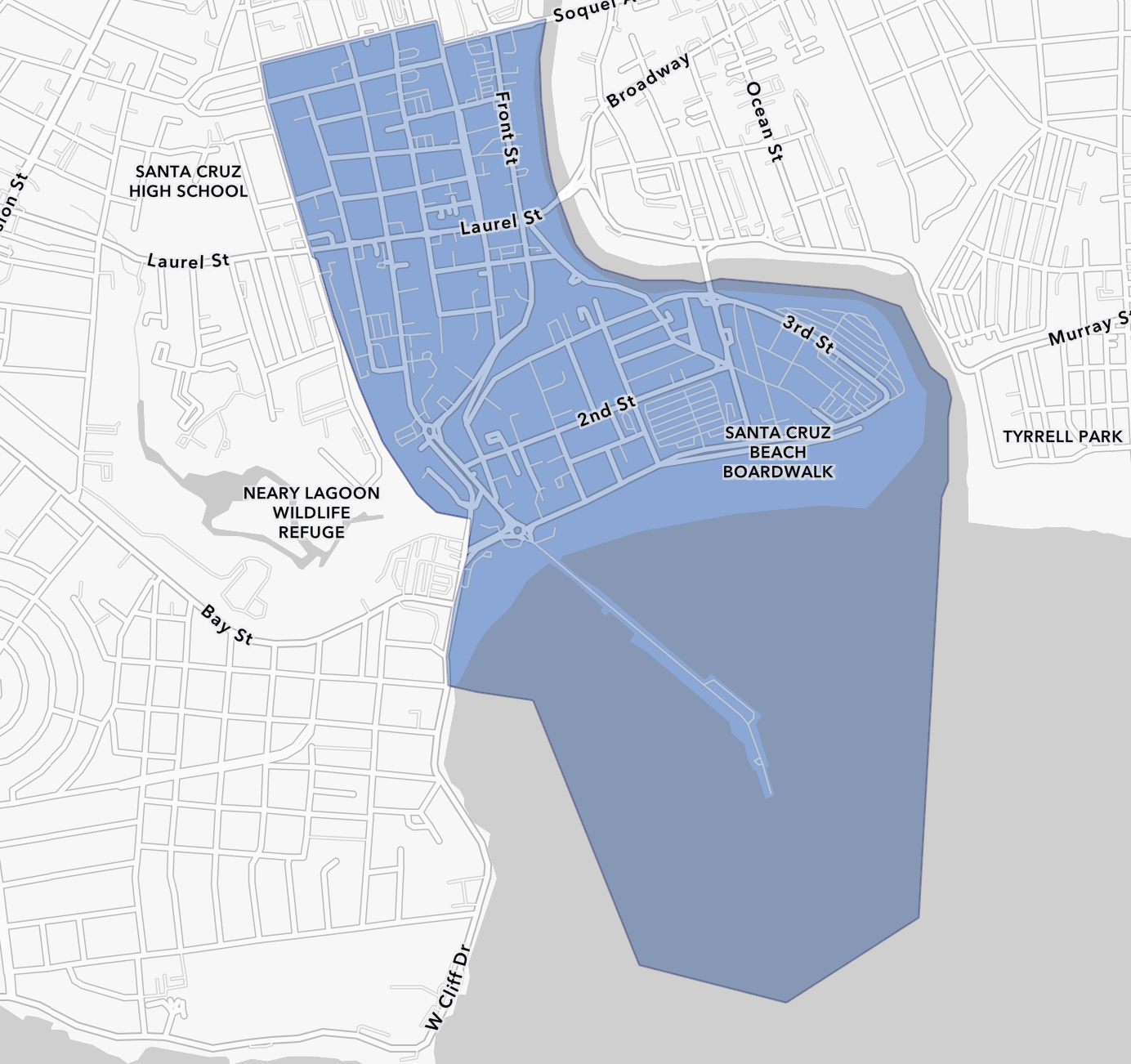
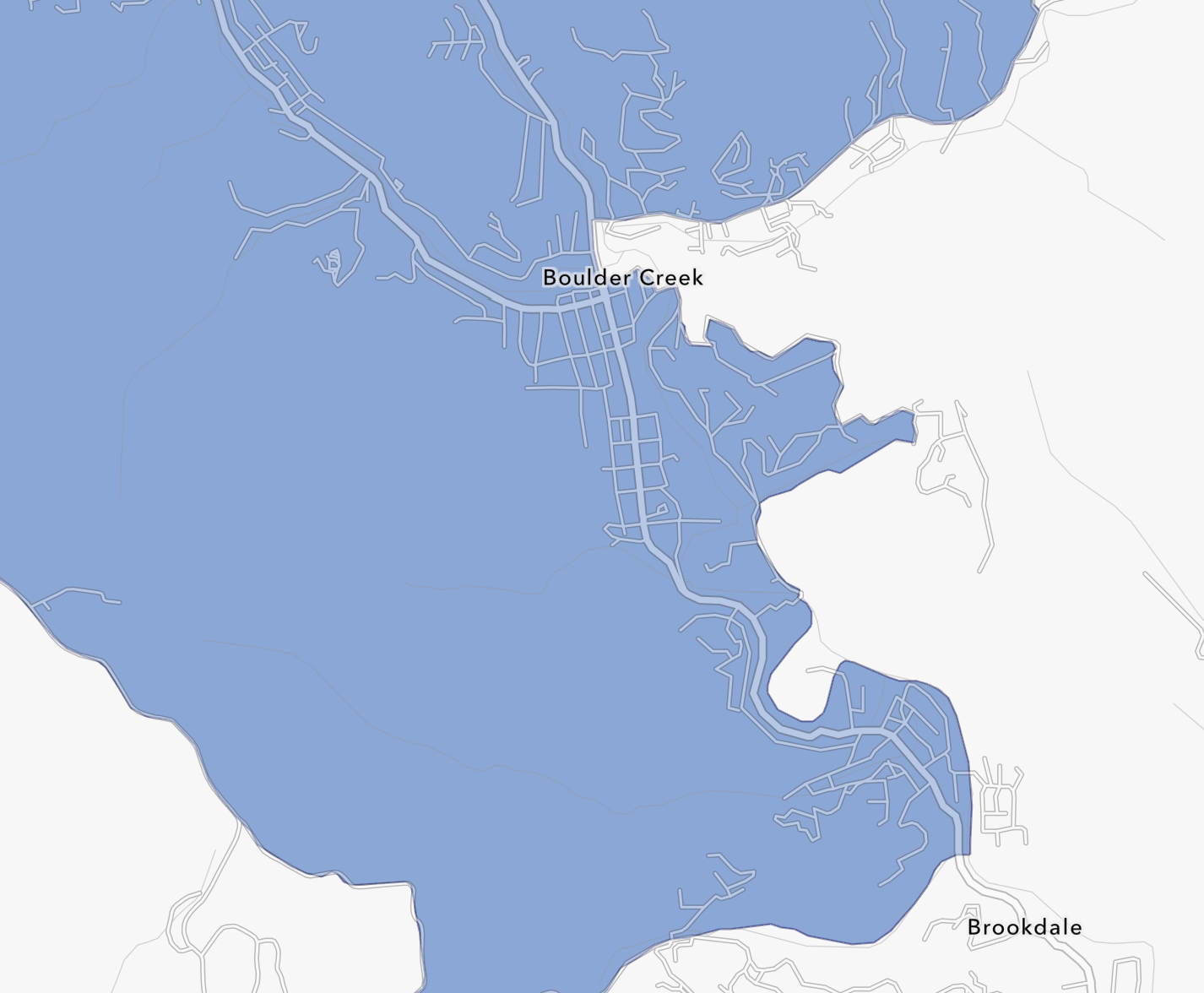
See the map yourself: the California Department of Finance publishes an interactive OZ 2.0 map and a downloadable list of every designated tract. Search an address to see whether a property falls inside a zone.
Opportunity Zones vs. 1031 exchanges
Both tools defer capital gains tax on a sale, but they suit different goals. A 1031 exchange keeps you in real estate and defers tax indefinitely. An Opportunity Zone investment frees up your principal and can make future growth tax-free, but it brings a tax bill in year five.
How they work together. The two aren't all-or-nothing:
Cash left over from a 1031 ("boot"). If you take some cash out of an exchange, the taxable gain in that cash can go into a QOF within 180 days.
A failed exchange. If you can't find replacement property by day 45, the gain can still be redirected into a QOF within the original 180-day window.
Splitting the strategy. Exchange most of the proceeds into a new rental, and send gains from other sales, such as stock, into a QOF.
The tax on gain from depreciation recapture has its own rules, so review it with your CPA before choosing a path.
What the savings can look like
These are simplified illustrations of federal tax only. They assume a 23.8% federal long-term capital gains rate (20% plus the 3.8% net investment income tax) and that rates stay the same. Your actual numbers will differ.
Example 1: A $500,000 stock gain
An investor sells company stock in early 2027 with a $500,000 gain and invests that gain in a QOF within 180 days.
Estimated federal savings: about $107,100, plus five years of using the $119,000 before paying any of it.
Example 2: A Willow Glen rental, 1031 vs. Opportunity Fund
An owner sells a rental for $2,000,000. The adjusted basis is $800,000 and there is no mortgage, so the gain is $1,200,000.
1031 exchange: buy a replacement property for at least $2,000,000. All $285,600 of federal tax is deferred, potentially for life. The owner stays a landlord, and all $2,000,000 stays tied up in real estate.
Opportunity Fund: invest only the $1,200,000 gain in a QOF and keep the $800,000 of principal. In year 5, federal tax is due on $1,080,000, or $257,040. If the fund grows to $2,000,000 by year 10, the $800,000 of growth is federally tax-free, a savings of about $190,400.
Neither path is automatically better. The 1031 typically wins for an owner who wants to keep owning rentals and hold for life. The Opportunity Fund suits an owner who wants out of landlording, wants access to the principal or wants a passive investment.
Two catches people miss:
The year-5 tax bill. The deferred tax comes due whether or not the fund has paid you anything, so plan the cash for it.
California. The state doesn't follow the federal Opportunity Zone rules. In Example 2, California tax on the $1,200,000 gain (roughly $111,600 to $159,600 at 9.3% to 13.3%) is due for the year of the sale, and the 10-year growth isn't state-tax-free.
How an individual investor can use it
Start the clock. Sell an appreciated asset. Your 180-day window usually starts on the sale date. Partnership and fund investors may have different start dates.
Decide how much gain to invest. You can invest all of the gain or only part of it. Only the amount you invest is deferred.
Pick your vehicle. Most individuals invest in an existing QOF sponsored by a developer or fund manager. Larger investors sometimes form their own QOF for a specific project inside a zone.
Elect the deferral. Your CPA reports the election on your tax return for the year of the sale. The fund files annual reports under the new OZ 2.0 reporting rules.
Plan for year 5. Set aside cash for the tax on 90% of the deferred gain.
Hold for 10 years or more. This is when the real benefit kicks in: tax-free growth on the fund investment.
A tax break doesn't fix a bad deal. Zones are, by definition, lower-income areas, and many projects are ground-up development with construction, leasing and liquidity risk. QOF interests are generally illiquid for 10 years. Fees vary widely. Evaluate the underlying real estate first and the tax benefit second.
Thinking about selling?
If you're considering selling an investment property in Santa Clara or Santa Cruz County, the best strategy depends on your timing, goals and tax picture. We’re here to walk you through your property's value, whether a 1031 or an Opportunity Fund fits better, and which local properties sit inside the new zones. We'll coordinate with your CPA and tax advisor, or make an introduction. Reach out at pulpanbrothers.com.
This article is for general information only and is not tax, legal or investment advice. Tax rules and figures are as of November 2026 and may change. Consult a qualified CPA or tax attorney before making any investment decision.