If you are deciding between Saratoga Village and the Saratoga foothills, you are really choosing between two very different ways to live in the same city. One offers easier access to downtown shops, dining, and daily errands. The other leans into larger lots, more separation, and closer proximity to open space. The right fit depends on how you want your day-to-day life to feel, so let’s dive in.
Saratoga Village and Foothills at a Glance
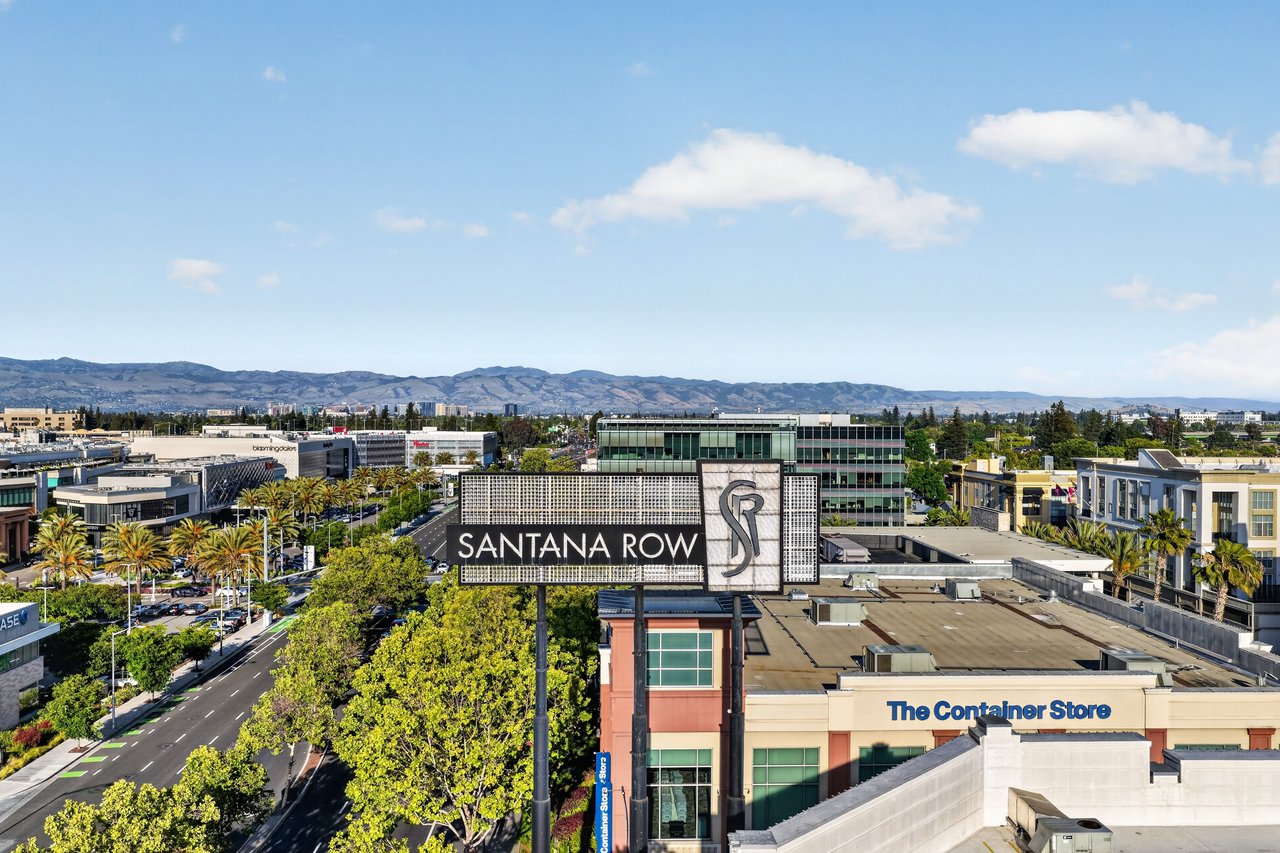
Saratoga Village is the city’s historic downtown area on Big Basin Way off Highway 9. The City of Saratoga describes it as the heart of the community, with dining, shops, galleries, coffee houses, parks, and trails.
The foothills refer to Saratoga’s western-hills neighborhoods, where the setting becomes more rural and spread out. Saratoga’s planning context makes clear this is a real geographic difference, with flat land around the Village and substantial foothill and mountainous areas beyond it.
How the Everyday Experience Differs
Village living feels more connected
If you want a more active, pedestrian-oriented setting, Saratoga Village usually stands out first. The city’s ongoing parking-district improvements and weekly street sweeping reflect a downtown area designed to support regular movement, visits, and local activity.
That can make everyday life feel simpler. Grabbing coffee, meeting friends for dinner, or running a quick errand often requires less planning when you live closer to the Village core.
Foothill living feels more private
The foothills offer a different rhythm. Saratoga trail maps highlight areas like Mount Eden and Villa Oaks, Parker Ranch, San Marcos, Quarry Park, and Saratoga to the Sea, while Sanborn County Park sits a few miles west of downtown with redwood forests, meadows, hiking, mountain biking, horseback riding, and camping.
For many buyers, that setting creates a stronger sense of quiet and retreat. If you picture home as a place with more breathing room and closer access to nature, the foothills often align better with that goal.
Homes and Lot Sizes
Village homes are usually in a tighter pattern
The Village has a more compact development pattern. Saratoga’s planning rules encourage parcel consolidation in certain Village-related zones, and the city’s Village Design Standards shape how residential and mixed-use projects fit into the historic downtown character.
In practical terms, that points to a built environment with closer spacing, more redevelopment activity, and a stronger relationship to the street. Buyers who like an in-town feel often appreciate that pattern.
Foothill homes often come with more land
In Saratoga’s larger-lot single-family districts, the standard interior lot is 20,000 square feet in R-1-20,000 and 40,000 square feet in R-1-40,000. Hillside Residential lots also face a 25% maximum lot coverage limit, along with additional ridge and slope constraints.
That matters because a foothill property may offer more land, but not every part of the site will necessarily be equally usable. As slope increases, usable floor area can shrink, so lot size and functional use are not always the same thing.
Style tends to follow the setting
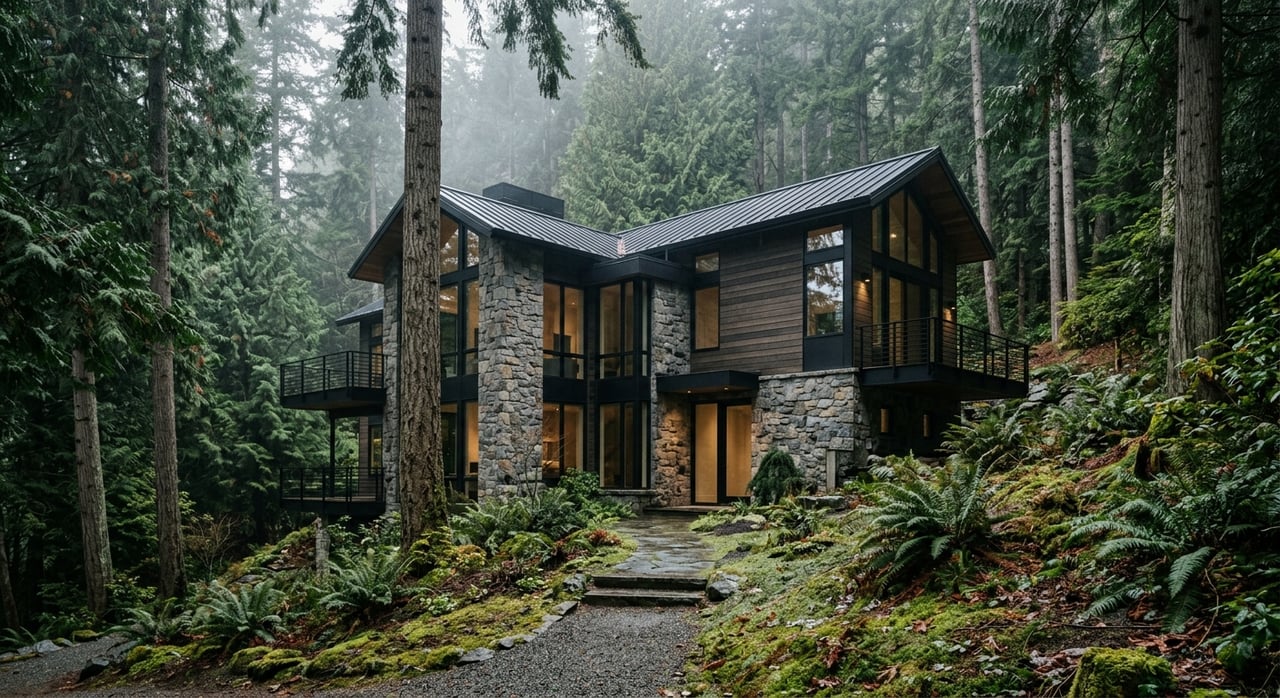
Saratoga’s historic context shows clear differences in how these areas developed. Early Village development included business buildings mixed with modest residences and boarding houses, while later foothill development included ranch-style homes, Bay Regional residences, and larger architect-designed houses built into the hills.
That means your choice may be about more than location. It can also be about whether you are drawn to a historic downtown setting or a more hillside-oriented home design that takes advantage of terrain and views.
Convenience and Commute Considerations
Village offers easier daily access
For buyers who want the easiest path to daily services, Saratoga Village generally has the edge. It sits on Big Basin Way off Highway 9, and current VTA route maps show service on Saratoga-Sunnyvale Road and other central Saratoga corridors.
That does not mean every Village home is car-free in practice. It does mean you are generally closer to the city’s service core and transit-connected roads.
Foothills are usually more car-first
The foothills trade some of that convenience for quiet and separation. Based on Saratoga’s western-hills setting, Wildland Urban Interface context, mountain park locations, and transit concentration on valley-floor roads, foothill living is typically more car-first.
For some buyers, that is a welcome trade. For others, especially busy professionals who value efficiency, it is a factor worth thinking through early.
What to Watch Before You Buy
Foothill due diligence is often deeper
If you are considering the foothills, expect more property-level review. Saratoga notes that the western hillsides fall within the Wildland Urban Interface, where CAL FIRE hazard maps, defensible-space rules, tree-removal rules, geotechnical clearance, and ridgeline protections can affect development and ongoing ownership.
That does not make foothill properties less appealing. It simply means the lifestyle often comes with more stewardship, more maintenance awareness, and more detailed due diligence before you close.
Village trade-offs center on activity
The Village has its own trade-offs. The same features that support convenience and a lively downtown atmosphere also signal more activity, parking management, and less separation than many foothill buyers want.
If privacy is your top priority, that difference matters. If convenience and a connected local feel matter more, the Village may still be the stronger fit.
Why This Is Not a Simple Either-Or Decision
It helps to think of Saratoga as a spectrum rather than a hard split. Even in larger-lot districts such as R-1-20,000 and R-1-40,000, Saratoga allows certain duplex or triplex conversions when city criteria are met, and ADUs are part of the city’s housing toolkit.
That means your real choice is often about degree. Some homes may offer a foothill setting with easier access than others, while some homes near the Village may still feel tucked away depending on site position and lot layout.
How to Choose Based on Your Priorities
Choose Saratoga Village if you value:
- Easier access to restaurants, coffee, shops, and errands
- A more walkable, downtown-oriented daily routine
- Historic core character
- Better proximity to central Saratoga transit corridors
- A more connected and active environment
Choose the foothills if you value:
- Larger lots and more separation from neighbors
- Closer access to trails, parkland, and open space
- A quieter setting with a more secluded feel
- Homes designed around slope, views, and hillside siting
- Privacy over day-to-day convenience
A Smart Buying Approach in Saratoga
In Saratoga, the best decision usually comes from matching the property to your routine, not just your wish list. A beautiful foothill home can feel less practical if access, slope, or maintenance does not fit how you actually live. In the same way, a Village-adjacent home may be ideal if convenience and simplicity carry more weight for you than lot size.
That is why it helps to evaluate each option through both lifestyle and property constraints. When you understand the trade-offs clearly, your search becomes faster, more focused, and more confident.
If you want help comparing Saratoga Village homes with foothill properties through the lens of lifestyle, lot utility, and long-term fit, The Pulpan Brothers Group can help you narrow the field and move with clarity.
FAQs
What is the main difference between Saratoga Village and the Saratoga foothills?
- Saratoga Village is the city’s historic downtown area with shops, dining, and a more active daily environment, while the foothills offer larger lots, more privacy, and closer access to open space and trails.
Are homes in the Saratoga foothills usually on larger lots?
- Often, yes. Saratoga’s larger-lot single-family districts include standard interior lots of 20,000 square feet in R-1-20,000 and 40,000 square feet in R-1-40,000, though slope and hillside rules can affect how usable a site is.
Is Saratoga Village more convenient for daily errands?
- In most cases, yes. The Village sits in Saratoga’s central service area with easier access to dining, shops, and central corridors such as Big Basin Way and Saratoga-Sunnyvale Road.
What should buyers know before purchasing in the Saratoga foothills?
- Buyers should be prepared for added due diligence related to wildfire context, defensible-space rules, tree-removal rules, geotechnical clearance, and ridgeline or slope-related constraints.
Is the choice between Saratoga Village and the foothills always clear-cut?
- No. Saratoga includes a range of property types and development patterns, so some homes fall between the two lifestyles and should be evaluated based on access, lot utility, setting, and daily fit.