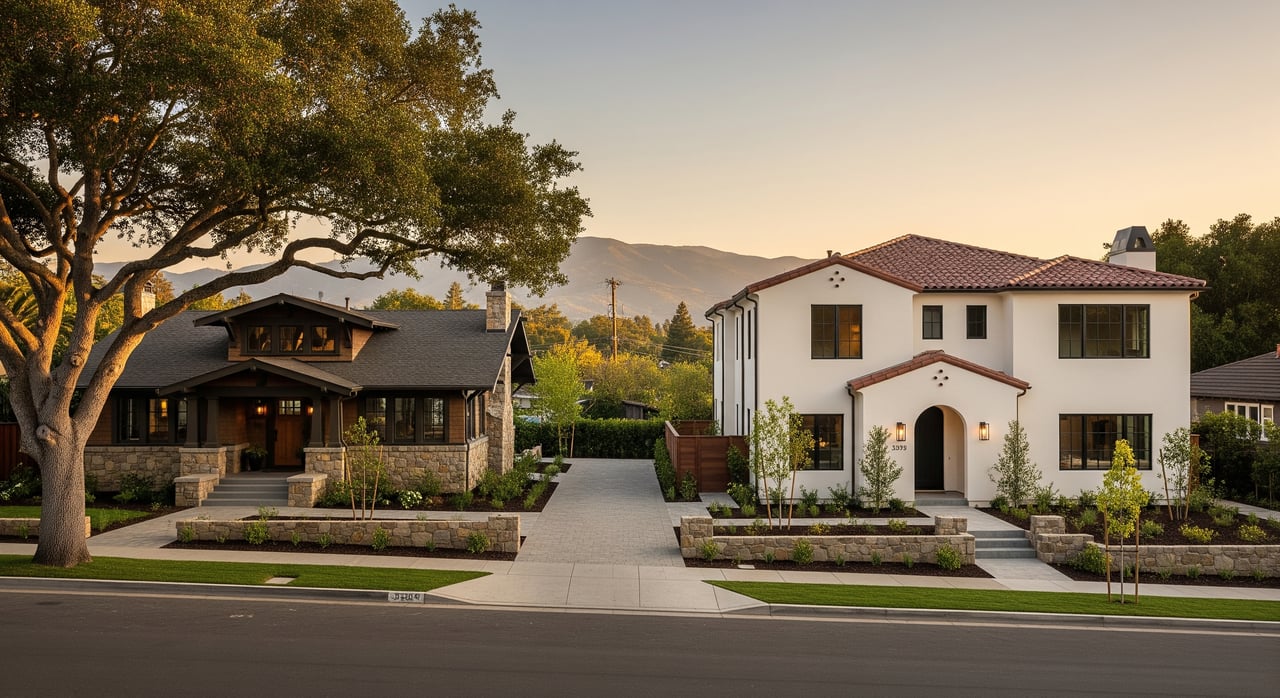
Thinking about splitting your Los Gatos lot or adding more housing on your property? You are not alone. California’s SB 9 created a new path that can unlock value on many single-family parcels, but the rules are specific and your site conditions matter. In this guide, you will learn what SB 9 allows, how Los Gatos may apply local standards, the steps to take, and what to consider before you invest. Let’s dive in.
SB 9 in plain English
SB 9 created two streamlined, ministerial approvals across California that apply to many single-family parcels:
- The ability to build up to two housing units on a qualifying single-family lot.
- The ability to split one single-family lot into two separate parcels, subject to conditions.
When a parcel qualifies for both, you may be able to split your lot and then place up to two units on each new parcel. That can mean up to four homes total from one original lot. Approvals are intended to be ministerial, which means local agencies use objective standards instead of discretionary design review.
Where SB 9 may not apply in Los Gatos
SB 9 is not universal. The law lists parcel and area exemptions, and towns may apply objective rules that shape what you can build. In Los Gatos, you should expect potential limits tied to:
- Historic resources or locally designated historic districts.
- Hillside or hazard overlays that address wildfire risk, steep slopes, geologic hazards, or access.
- Parcels with recent housing demolition, certain tenant histories, or other tenant protections that restrict eligibility.
- Private covenants, conservation easements, or HOA CC&Rs that prohibit splits or added units.
- Riparian corridors, floodplains, and creek setback areas where other agency rules apply.
Always verify your parcel’s zoning, overlays, recorded covenants, and any recent tenant or demolition history before you advance design.
What a lot split could enable
A two‑parcel split can create new options. Depending on local standards and site constraints, you may be able to:
- Create two separately saleable parcels, each with the potential for up to two units if all SB 9 conditions are met.
- Phase improvements so you live on one parcel while you build or sell the other.
- Add rental income or flexible multigenerational living.
Your gains depend on physical feasibility, market demand, and the cost to deliver compliant sites and units. A split that produces awkward or undersized lots may not add much value.
Los Gatos process at a glance
Every town implements SB 9 with its own objective standards and forms. In Los Gatos, expect a practical sequence like this:
- Pre‑check your parcel
- Confirm single‑family zoning, any overlays, and whether your site is in a historic or hazard area. Check for recorded covenants or HOA restrictions.
- Talk with Planning and Public Works about utility capacity and required connections for water, sewer, and stormwater.
- Prepare your submittal
- Assemble required SB 9 application forms, owner declarations, a site plan, preliminary utility plan, and any technical studies your site may need, such as geotechnical or arborist reports.
- If you plan to split, you will need a surveyor to prepare the map.
- Ministerial review
- The Town reviews your proposal for objective compliance such as setbacks, height, lot coverage, parking, fire and life safety, and any SB 9 eligibility limits.
- If the submittal meets all standards, the Town issues a ministerial approval. If not, you revise or the Town may deny the request.
- Public notice
- SB 9 approvals are ministerial. Many towns do not hold discretionary hearings. Some provide notice to neighbors. Procedures vary, so confirm local practice.
- Conditions and permits
- Expect objective conditions such as utility fees, stormwater measures, and tree protection. For lot splits, the Town will issue the subdivision approval or certificate according to the local subdivision process.
- Recordation
- Lot splits generally require recordation of a deed restriction or notice of SB 9 conditions. Confirm the exact document and timing.
- Construction and inspection
- Pull building permits for units, complete utility connections, and schedule inspections through to occupancy.
Timing to expect
State law sets ministerial timelines, and many jurisdictions target roughly 60 to 90 days for completeness checks and decisions. Local staffing, revisions, and utility coordination can extend the schedule. Ask Planning for current target timelines before you set expectations with designers or lenders.
Objective standards you should plan for
Los Gatos may apply objective, numeric rules that shape your building envelope and site plan. While exact figures must come from the Town’s code and SB 9 materials, owners should plan around:
- Setbacks, height limits, lot coverage and floor area thresholds.
- Objective design standards that control massing or façades using clear metrics.
- Parking ratios or exemptions tied to measurable conditions such as proximity to transit.
- Fire access, driveway width, and turning radius standards.
- Tree protection and replacement rules, especially for heritage trees.
- Stormwater treatment and on‑site drainage requirements.
These rules can make or break feasibility on smaller or irregular lots.
Los Gatos site constraints to watch
Los Gatos includes a mix of flat neighborhoods and hillside areas with natural hazards. Before you commit to a split or new units, consider:
- Hillside and geotech: Steep slopes and soils may trigger engineering, grading limits, and higher soft costs.
- Wildfire and vegetation management: Defensible space and access standards affect layout and materials.
- Utilities: Water and sewer capacity, meter availability, and connection fees can be gating items.
- Parking and right‑of‑way: Narrow streets and driveway standards can limit where new units or garages fit.
- Creeks and floodplains: Riparian setbacks and outside agency permits can reduce buildable area.
- Lot pattern: Very small or irregular parcels may not split into two compliant lots under local minimums.
A quick feasibility scan with the Town and your consultants can save months.
Feasibility checklist for owners and investors
Use this list to scope your go‑no go decision early:
- Confirm single‑family zoning and that no SB 9 disqualifiers apply to your parcel.
- Map setbacks, height, coverage, trees, and fire access to see if two building sites fit.
- Identify title restrictions or HOA rules that may bar splitting or more units.
- Verify utility capacity and plan for meters, trenching, and stormwater treatment space.
- Budget for geotech, fire, or stormwater mitigation if your site requires it.
- Understand access and easements that affect driveways or shared services.
Cost categories and budgeting
Costs vary widely by site and scope, but you should plan for:
- Planning and permit fees: SB 9 application, subdivision map fees, building permits.
- Consultants: surveyor, civil engineer, geotechnical, arborist, energy compliance, and possibly legal review.
- Impact and connection fees: water, sewer, schools, traffic, parks, and utility hook‑ups.
- Construction: Bay Area small‑scale new construction is often high cost. Soft costs and contingency commonly add 20 to 40 percent on top of hard construction.
- Ongoing expenses: property taxes on new improvements, insurance, maintenance, and property management if you rent.
Value, rental income, and resale
Adding units or creating two saleable parcels can increase flexibility and overall property value in strong markets. Rental income from added units can help cover carrying costs and support long‑term appreciation. That said, value gains are not automatic. If a split yields two constrained lots, or if construction costs and fees are high relative to achievable rents, returns can compress. Appraisers and lenders will focus on permitted unit count, income potential, and relevant comparables. If you split title, each new parcel may require separate financing and may trigger payoff or consent under existing loan documents.
Taxes and legal items
Lot splits and new construction can trigger reassessment of new improvements under California’s property tax rules. Capital gains, depreciation, and 1031 strategies require tax planning. Many mortgages include clauses about subdivision, so lender consent may be required before you record a split. Engage a qualified tax advisor and real estate attorney early.
Practical tips to avoid delays
- Get parcel‑specific guidance in writing from Los Gatos Planning before you spend on full design.
- Hire a surveyor early to confirm boundaries and to prep a compliant split map.
- Bring Public Works into the conversation for utilities and right‑of‑way issues.
- If you have tenants, review SB 9 tenant protections and timing carefully before planning any changes.
- Build a realistic schedule with time for revisions, utility review, and recordation steps.
Your next step
If you own in Los Gatos and want a clear, investment‑grade plan for SB 9, start with a feasibility call. We help clients pressure‑test the concept, coordinate the right local professionals, and model outcomes so you can decide with confidence. Ready to explore options on your property? Connect with EJ Pulpan to schedule a private consultation.
FAQs
What does SB 9 allow on a single‑family lot in Los Gatos?
- SB 9 can allow a two‑unit project and a two‑parcel split on many single‑family lots if your parcel meets eligibility rules and all local objective standards.
Can neighbors block my SB 9 lot split or duplex?
- SB 9 approvals are ministerial and do not use discretionary hearings, but your project must satisfy objective standards and any applicable laws or recorded restrictions.
Do I need to live on the property to use SB 9?
- Some jurisdictions use owner declarations and tenant‑protection rules, and practices evolve, so confirm current Los Gatos requirements during pre‑application.
Will I need to provide parking for new SB 9 units?
- Parking is controlled by objective local standards that may vary by site context, including transit proximity, so check the Town’s current requirements for your parcel.
How long does an SB 9 approval take in Los Gatos?
- Many communities target roughly 60 to 90 days for ministerial review, but timelines depend on completeness, revisions, and utility coordination.
Can my HOA or deed restrictions stop a lot split?
- Yes. Private covenants and HOA CC&Rs can restrict splits or added units, and SB 9 does not override private deed restrictions.
Will a lot split increase my property taxes?
- New construction and parcel changes can trigger reassessment of new improvements, so consult a tax professional and the county assessor for specifics.