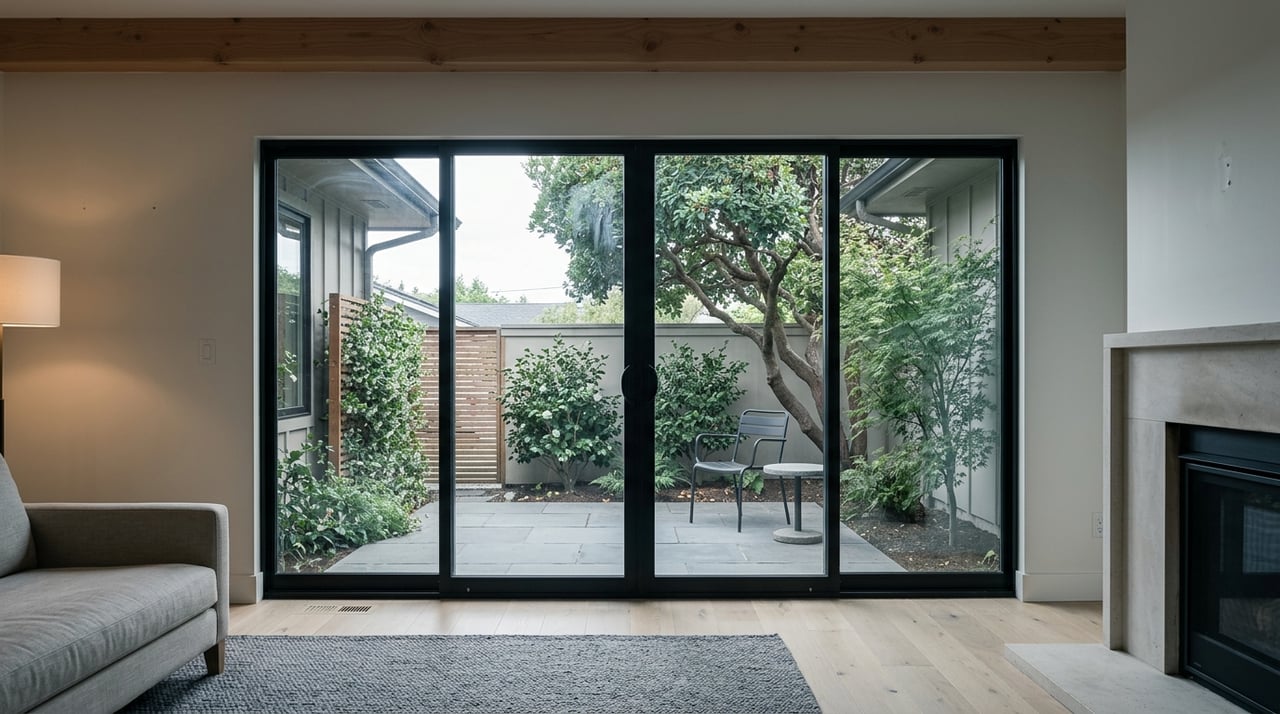
If you are getting ready to sell in Willow Glen South-Lincoln Glen, one question can shape your entire strategy: should you update the home before listing, or sell it as-is? In a market where well-positioned homes can move quickly and often attract strong offers, that decision still matters because buyers notice condition, presentation, and pricing. This guide will help you weigh the tradeoffs, focus on the updates most likely to matter, and decide on a plan that fits your timeline, budget, and goals. Let’s dive in.
Why this decision matters locally
Willow Glen South-Lincoln Glen is a premium seller submarket, but it is not a market where condition stops mattering. Redfin reports a median sale price of $2,274,155 in April 2026, up 10.7% year over year, with homes selling in 13 days, a 105.1% sale-to-list ratio, and 65.1% of homes closing above list.
That sounds like every home should sell easily, but the details tell a more useful story. Recent neighborhood sales closed in roughly 22 to 59 days and ranged from flat to 8% above list. In other words, demand is strong, but buyers are still sorting homes by presentation, perceived upkeep, and pricing discipline.
What buyers are looking at
Today’s buyers often start with the big-picture fit, then quickly shift to the condition of the home itself. National Association of REALTORS data show many buyers prioritize location factors like neighborhood quality, convenience to friends and family, and access to work. Once a home checks those boxes, condition becomes a key part of the decision.
That matters because buyers have become less flexible about visible work. In NAR’s 2025 Remodeling Impact report, 46% of buyers were less willing to compromise on home condition than before. Another NAR report found condition of home was a compromise factor for 23% of buyers, which means many buyers may still consider a home with flaws, but they will price those flaws into their offer.
When selling as-is makes sense
Selling as-is can be the right move when the home is already clean, safe, and functionally sound. It can also make sense if your timeline is tight, if managing contractors would be disruptive, or if repair uncertainty could spiral into a larger project than you want to take on.
In a neighborhood like Willow Glen South-Lincoln Glen, an as-is strategy can work best when the home’s layout, location, and overall livability are already appealing. Buyers may accept dated finishes more readily than major defects, especially in a competitive market. But they are still likely to discount the price if they expect immediate work after closing.
You should also know what as-is does and does not mean in California. An as-is sale does not remove your disclosure obligations. California law does not allow sellers to waive delivery of the Real Estate Transfer Disclosure Statement in an as-is sale, and hazard-zone disclosures must still be made when applicable.
So the real benefit of selling as-is is not avoiding transparency. It is reducing upfront project costs and shifting repair responsibility, while still pricing and preparing the home intelligently.
When updates are usually worth it
If your home has visible deferred maintenance, tired finishes, or issues likely to come up during inspections, selective updates are often the stronger strategy. In this neighborhood, buyers are paying premium prices. At those price points, obvious wear can feel larger than it is.
The good news is that you usually do not need a full remodel to improve marketability. National cost-versus-value data support a focused approach. High-return projects in the 2024 Cost vs. Value report included garage door replacement, steel entry door replacement, manufactured stone veneer, minor kitchen remodels, and midrange bath remodels, while major upscale remodels generally recouped much less.
That pattern matters for sellers because it points to a simple principle: visible, practical improvements tend to outperform expensive overhauls when the home already functions well. If your floor plan works and the home has good bones, a selective refresh is often more defensible than a luxury renovation.
The updates that tend to move the needle
Before listing, the highest-value work is often the least glamorous. NAR’s 2025 Remodeling Impact report says REALTORS most often recommend whole-home paint, one-room paint, new roofing, kitchen upgrades, and bathroom renovations before a sale.
For many Willow Glen South-Lincoln Glen sellers, the most effective pre-listing plan may include:
- Deep cleaning throughout
- Decluttering and simplifying rooms
- Fresh interior paint
- Basic curb appeal improvements
- Repairing visible deferred maintenance
- Refinishing or replacing worn flooring
- Light kitchen updates such as counters, hardware, or fixtures
- Light bathroom refreshes such as paint, lighting, mirrors, or fixtures
These updates help buyers feel the home has been cared for. They also help your marketing photos, showings, and open house traffic perform better.
Why presentation still matters in a hot market
Even strong markets reward homes that feel ready from day one. NAR found that 83% of buyers’ agents said staging helps buyers visualize a property as a future home. Another 29% said staging increased the dollar value offered by 1% to 10%, and 49% of sellers’ agents said staging reduced time on market.
That does not mean every seller needs a full luxury staging package. But it does mean presentation should be part of your strategy. The rooms most commonly staged are the living room, primary bedroom, dining room, and kitchen, which is a useful guide if you want to prioritize where to spend.
In a premium neighborhood, presentation supports pricing power. It helps buyers connect emotionally and reduces the mental list of projects they believe they need to tackle right away.
Focus on selective, not excessive
One of the biggest mistakes sellers make is over-improving for the market. Large remodels are expensive, time-consuming, and often return less than expected. If you are preparing to sell rather than remodel for your own long-term use, restraint usually pays.
A smart approach is to ask a few simple questions:
- Will this change be obvious to buyers right away?
- Will it improve photos, showings, or first impressions?
- Will it address an issue likely to trigger negotiation?
- Will it make the home feel cleaner, brighter, or better maintained?
If the answer is yes, the update may be worth considering. If the project is costly, structural, and unlikely to change buyer perception much, it may not be the best pre-sale investment.
What to know about permits in San Jose
If you are considering work before listing, permit requirements matter. According to the City of San Jose, cosmetic-only work such as paint, new flooring, and new countertops does not require a building permit. Structural changes and most plumbing, mechanical, and electrical improvements usually do.
Appliance installs can also trigger permit requirements if they alter electrical, plumbing, venting, gas, or water systems. This is another reason many sellers benefit from a cosmetic refresh rather than a larger remodel close to list date. Smaller, permit-free improvements can often be completed faster, with less cost and less risk of delays.
A practical framework for deciding
If you are stuck between updating and selling as-is, use this framework.
Choose as-is if:
- The home is clean, safe, and functionally sound
- Your timeline is short
- You want to avoid contractor management
- The likely value increase from updates is unclear
- The home’s main appeal is already strong without added work
Choose selective updates if:
- Buyers will notice dated or worn finishes right away
- The home has visible deferred maintenance
- Small improvements could improve photos and first impressions
- You want to reduce inspection-related negotiations
- You are aiming for stronger competition and cleaner offers
Avoid major remodels if:
- You are selling soon
- The existing layout already works
- The work requires extensive permits or long lead times
- The projected resale lift is uncertain
The real goal is a strategic sale
The best answer is not always “update everything” or “sell exactly as it sits.” In Willow Glen South-Lincoln Glen, the strongest results often come from matching the level of preparation to the home, the buyer pool, and your goals.
For one seller, that may mean a true as-is sale with careful pricing, clear disclosures, and polished marketing. For another, it may mean paint, flooring, staging, and a handful of repairs that make the home feel sharper and more move-in ready. The key is choosing improvements that support value, not just spending for the sake of spending.
A thoughtful plan can protect your time, reduce stress, and position your home more effectively in a competitive market. If you want a tailored strategy for your property in Willow Glen South-Lincoln Glen, The Pulpan Brothers Group can help you evaluate the tradeoffs, coordinate the right prep work, and bring your home to market with a clear, high-touch plan.
FAQs
Should you update a home before selling in Willow Glen South-Lincoln Glen?
- It depends on the home’s condition, your timeline, and how much visible improvement a targeted refresh could create. In this market, selective updates often make more sense than major remodels.
Can you sell a home as-is in California?
- Yes, but selling as-is does not remove your disclosure obligations. California sellers must still provide required disclosures, including the Real Estate Transfer Disclosure Statement and applicable hazard disclosures.
What pre-sale updates usually matter most in San Jose?
- Paint, flooring, curb appeal, deep cleaning, decluttering, and light kitchen or bathroom refreshes are often the most practical improvements because they are visible and can improve buyer perception quickly.
Do cosmetic updates require permits in San Jose?
- Cosmetic-only work such as paint, new flooring, and new countertops does not require a building permit, according to the City of San Jose. Structural, plumbing, electrical, and mechanical work often does.
Does staging help homes sell faster in higher-price neighborhoods?
- Staging can help buyers visualize the property, support stronger offers, and reduce time on market. It is often especially useful in the main living spaces buyers notice first.