Wondering whether San Jose feels more like a city or a collection of neighborhood pockets? The honest answer is both, and that is exactly why so many buyers pause here before making a move. If you are trying to choose between walkability and space, transit access and a quieter residential rhythm, this guide will help you sort through the tradeoffs and narrow in on the kind of San Jose that fits your life. Let’s dive in.
Why San Jose Feels So Different
San Jose is big enough that the day-to-day experience can shift quickly from one area to the next. The city spans 178.26 square miles and had an estimated population of 989,814 as of July 1, 2025. It also has a mixed housing profile, with a 55.8% owner-occupied housing unit rate, a median owner-occupied value of $1,233,200, and a median gross rent of $2,669.
Those numbers help explain why buyers often need more than a simple price comparison. In a city this large, your commute style, housing preferences, and lifestyle priorities can matter just as much as budget. The right fit often comes down to how you want your everyday routine to feel.
Urban San Jose at a Glance
San Jose’s planning framework makes the urban-suburban split easier to understand. The City describes urban villages as walkable, bicycle-friendly, transit-oriented, mixed-use areas, and it intends for most new job and housing growth to happen in those places. At the same time, most already-developed single-family neighborhoods were left out of those growth areas.
In practical terms, urban-feeling San Jose usually means more density, more mixed-use development, and easier access to transit. You may have more options for walking to dining, community spaces, or stations, but you may also give up some yard space and privacy. For many buyers, that tradeoff is worth it.
Downtown San Jose
Downtown is San Jose’s clearest urban example. The City describes it as Silicon Valley’s most dynamic urban center, with more than 200 restaurants and bars, major cultural institutions, three active pedestrian malls, and a growing mix of residents, workers, and visitors.
If you want energy and convenience built into your day, Downtown often rises to the top of the list. It is the kind of place where mixed-use living shapes your routine, whether that means shorter walks for errands or easier access to events and dining. Buyers who want a more city-like experience in San Jose often start here.
Diridon and Transit-Centered Living
Diridon offers one of the strongest transit-oriented lifestyles in the city. According to the City, Diridon Station is planned to connect upgraded Caltrain service, BART Silicon Valley, High-Speed Rail, Amtrak, Capitol Corridor, ACE Rail, and local and regional bus service. The surrounding station area plan is built around pedestrian- and transit-oriented development.
That matters if you want your neighborhood choice to support a lower-car lifestyle. Living near Diridon can mean easier rail access and a stronger connection to regional commuting patterns. It is a smart area to watch if transit and long-term urban growth are high on your list.
Berryessa BART and Urban Structure Outside the Core
Berryessa BART is another useful option if you want urban features without being in the center of Downtown. The City describes the Berryessa BART Urban Village as a regional transit urban village planned around a major transit facility, with mixed-use commercial and residential development that includes high-density residential projects.
For some buyers, that creates a middle ground. You can still prioritize transit and mixed-use surroundings while living outside the historic core. If your goal is convenience with a slightly different setting, Berryessa can be worth a closer look.
Suburban San Jose at a Glance
Suburban-feeling San Jose tends to offer a more residential pattern. Detached homes, local parks, community centers, and neighborhood-scale services often shape daily life in these areas. If you picture a calmer setting and more separation from major growth corridors, these neighborhoods may feel more aligned.
The City’s planning strategy supports that distinction. Since most new intensity is directed toward urban villages, many established single-family areas keep a different character. For buyers who want more room and a quieter rhythm, that can be a major advantage.
Willow Glen
Willow Glen is one of the clearest suburban-style contrasts within San Jose. The City’s historic-area information notes that the North Willow Glen Conservation Area contains mostly small-lot residential properties with limited commercial uses, and that the neighborhood developed during the first half of the twentieth century.
The area also has access to neighborhood-serving amenities. The Willow Glen Community Center sits near Lincoln Glen Park, Wallenberg Park, Kirk Park, River Glen Park, and Forestdale Tot Lot. If you want a residential setting with nearby parks and community facilities, Willow Glen often fits that picture well.
Almaden
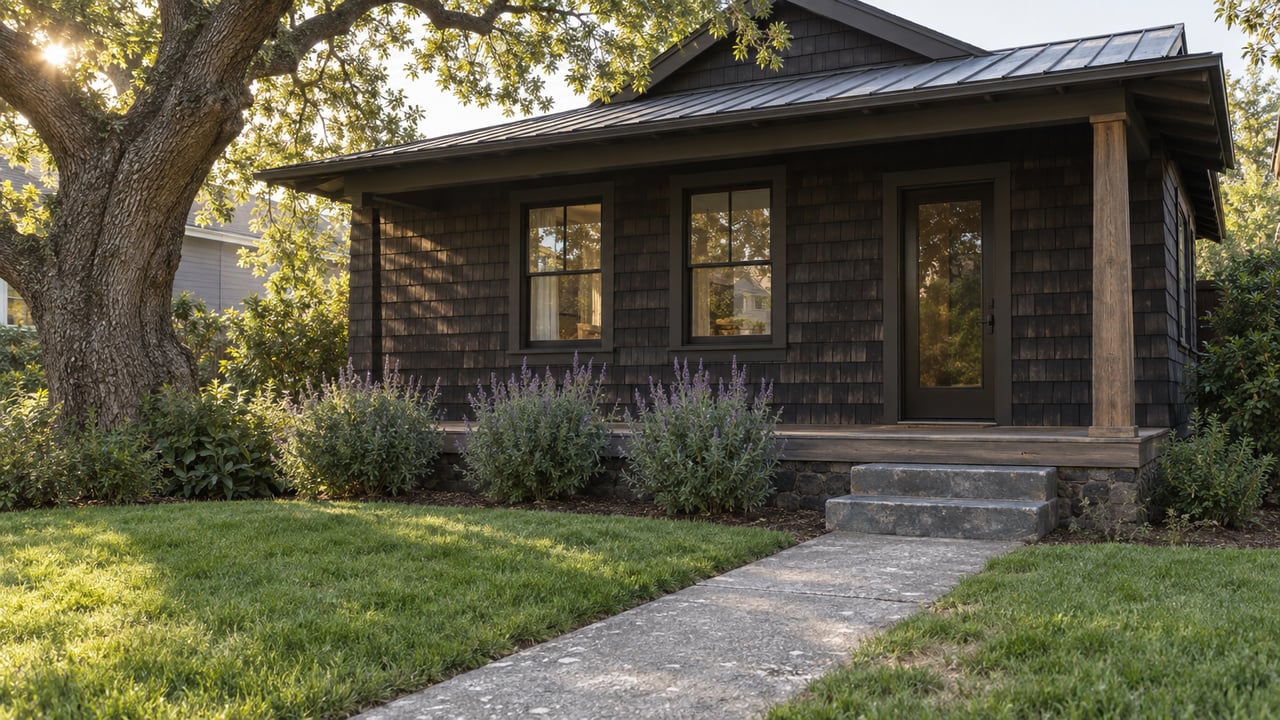
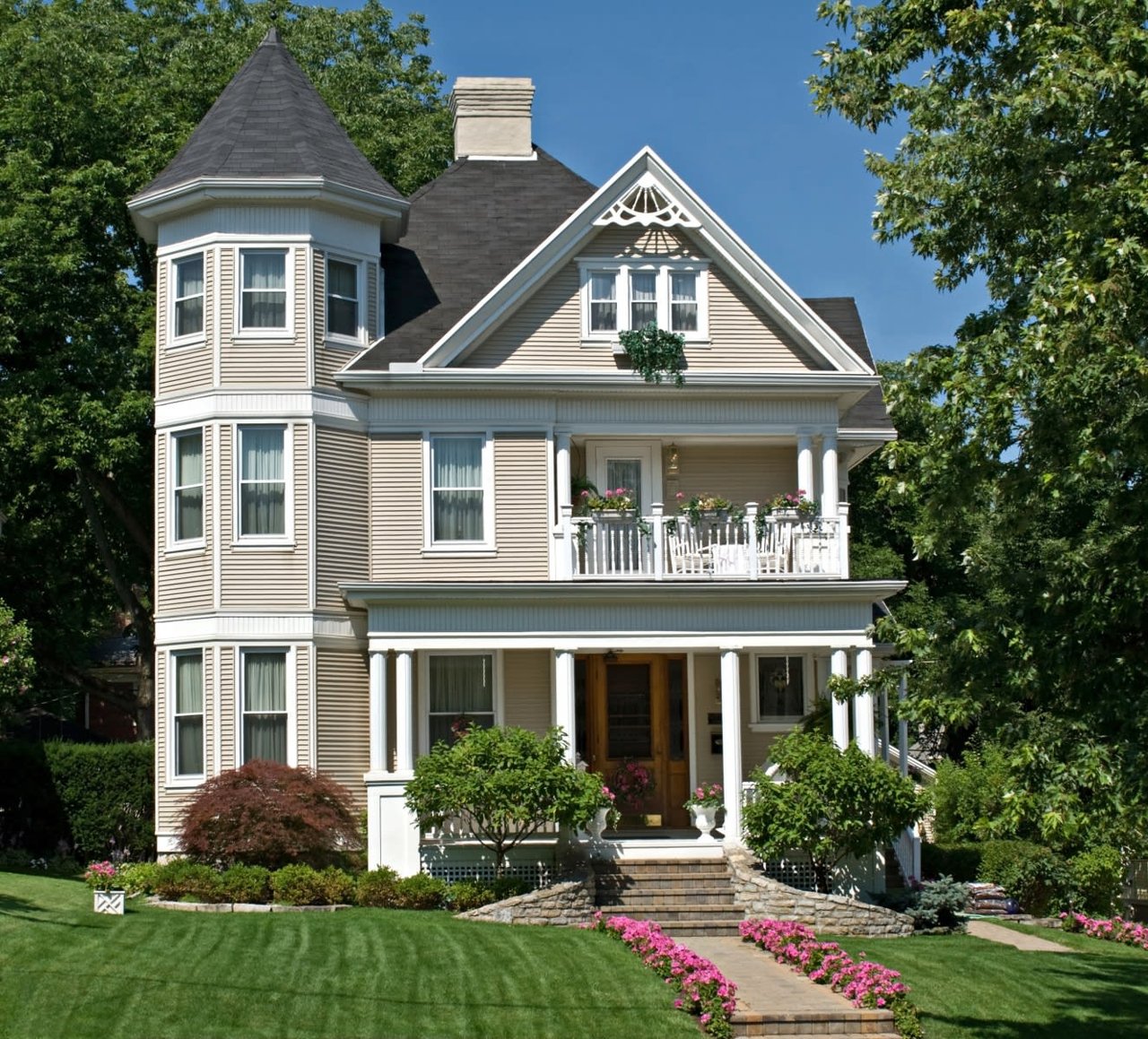
Almaden also reads as more suburban in day-to-day feel. The City says the Market-Almaden area is characterized by mostly single-family residences, including Victorians and Craftsman bungalows.
Parks are another part of the draw. The City’s parks directory lists Almaden Lake Regional Park, Almaden Meadows Park, and Almaden Winery Park in the area. For buyers who value outdoor access and a more neighborhood-oriented routine, Almaden is often part of the conversation.
Cambrian
Cambrian is a good example of a residential area that still feels suburban while evolving over time. Community facilities in the area include the Cambrian Branch Library and the Camden and Kirk community centers.
At the same time, the Cambrian Park Mixed-Use Village project includes apartments, townhomes, single-family dwellings, commercial uses, and public open space. That suggests a neighborhood with an established residential feel that is gradually adding more mixed-use intensity at the edges. For some buyers, that balance is appealing.
Key Tradeoffs to Think Through
Choosing between urban and suburban San Jose is rarely about one feature alone. It is usually about how several priorities stack up in your real life. Before you focus on listings, it helps to get clear on the tradeoffs.
Walkability Versus Space
If daily walkability is high on your list, Downtown, Diridon, and similar transit-oriented districts are often the strongest fit. These areas are shaped by mixed-use buildings, public transit access, and a more active street environment.
If you care more about a detached home, yard space, and a more residential pattern, Willow Glen, Almaden, and Cambrian may align better. Neither choice is better across the board. It depends on what makes your day easier and your home life more comfortable.
Transit Versus Car Dependence
San Jose’s citywide mean travel time to work was 27.3 minutes in the 2020 to 2024 period. That number matters, but the bigger question for many buyers is what kind of commute you want. A 27-minute drive feels different from a 27-minute train trip or a shorter walk-plus-transit routine.
The City points residents to commute options that include VTA, Caltrain, BART, park-and-ride lots, bike share, scooter share, and carpools. If you want to rely less on a car, neighborhoods near Downtown, Diridon, The Alameda, and Berryessa BART deserve strong consideration.
Density Versus Neighborhood Quiet
Urban districts usually bring more people, more activity, and more new development. That can be a real benefit if you enjoy a lively environment and want convenience close at hand.
Suburban-feeling neighborhoods tend to attract buyers who want a calmer residential pattern. San Jose’s planning framework makes that distinction clear by directing most new intensity into urban villages instead of most established single-family areas. If neighborhood quiet is one of your top priorities, that should shape where you spend your time touring.
How to Choose Your Best Fit
A simple checklist can help you move from broad ideas to a more confident short list. Ask yourself which of these matters most in your next move:
- Do you want to walk to restaurants, services, or transit?
- Do you want easier rail access for commuting around the Bay Area?
- Do you prefer a detached home or are you open to higher-density living?
- How important are parks, community centers, and neighborhood-oriented amenities?
- Would you rather trade some space for convenience, or trade some convenience for more room?
If most of your answers point toward access, activity, and transit, urban San Jose may be the better fit. If they point toward space, parks, and a quieter residential feel, suburban San Jose may make more sense.
Why Neighborhood Guidance Matters
In San Jose, broad city-level data only tells part of the story. The bigger difference is often at the neighborhood level, where planning patterns, housing types, and transit access can change quickly over short distances.
That is why buyers benefit from a local, block-by-block perspective before making a decision. The right neighborhood is not just about what looks good on paper. It is about how your commute, home style, and daily routine come together in one place.
If you are weighing urban versus suburban San Jose and want guidance tailored to your goals, The Pulpan Brothers Group can help you evaluate the neighborhoods, lifestyle tradeoffs, and property options that fit your next move.
FAQs
What is the difference between urban and suburban San Jose?
- Urban San Jose usually refers to areas like Downtown, Diridon, and Berryessa BART, where mixed-use development, transit access, and walkability shape daily life. Suburban San Jose usually refers to neighborhoods like Willow Glen, Almaden, and Cambrian, where detached homes, parks, and community facilities create a more residential feel.
Which San Jose neighborhoods are best for transit access?
- If transit access is a top priority, the strongest starting points are Diridon, Downtown, The Alameda, and Berryessa BART because they are tied more closely to rail and multimodal commute options identified by the City.
Which San Jose neighborhoods feel more suburban?
- Willow Glen, Almaden, and Cambrian are strong examples of suburban-feeling San Jose because they are more residential in pattern and are supported by parks, community centers, libraries, and neighborhood-scale amenities.
Is Downtown San Jose a good fit if you want walkability?
- Downtown is one of the best fits in San Jose for buyers who want walkability, mixed-use surroundings, and access to dining, cultural destinations, and transit-oriented growth.
How large is San Jose and why does that matter for buyers?
- San Jose covers 178.26 square miles, which means neighborhood character can change quickly across the city. For buyers, that makes it especially important to compare areas based on lifestyle, commute style, and housing preferences instead of treating San Jose as one uniform market.